
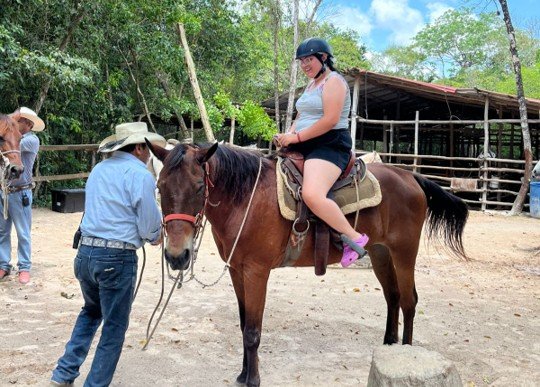
If you think of horses in the Americas, your mind might first go to the wild mustangs of the U.S. or the polo fields of Argentina. But recent estimates place another country surprisingly near the top of the global list for horse population: Mexico, with a staggering 6.4 million horses.
To put that in perspective, that’s a massive number of equines still sharing the land with tractors, trucks, and modern life. But here’s the key question: Why are horses still thriving in Mexico when donkeys, once as common, are seeing a dramatic population collapse?
The answer lies in economic and cultural relevance.
Unlike donkeys, whose traditional roles in rural transport and labor have largely been erased by mechanization, horses have proven remarkably adaptable. In rural Mexico, horses are still active workers in agriculture, ranching, and transportation. But they have also secured a place in the modern world through recreation, sports, and leisure.
This dual role creates a crucial distinction:
- Donkeys lost their job and never got a new one. Their work simply disappeared.
- Horses lost some jobs, but got hired for new ones. Breeding horses remains an active and viable occupation, creating a “bigger economic ecosystem” that simply doesn’t exist for donkeys.
The bottom line? While donkeys face a silent decline, Mexican horses have maintained a stronger market value and a cultural foothold. They are still seen as partners in work and sport, not relics of a bygone era.
But don’t break out the celebratory saddles just yet. As we’ll see in the next post, this large population comes with its own set of serious challenges.
📅 Last updated: