
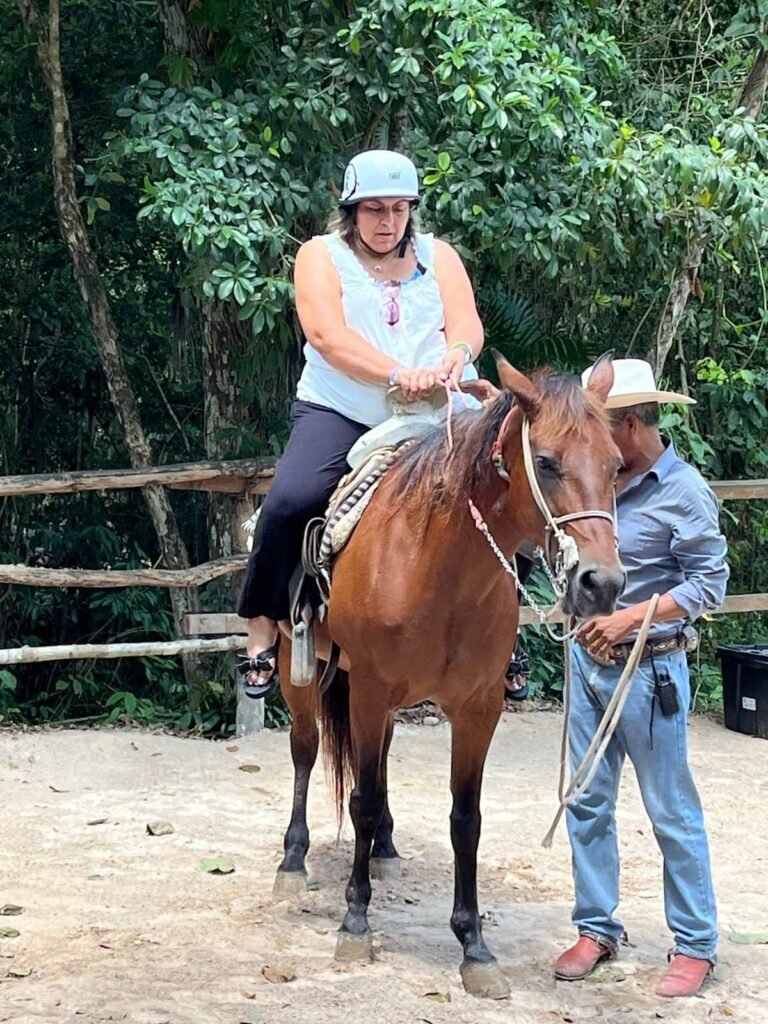
Introduction to the Sanctuary
The Horse Sanctuary and Ethical Equestrian Experience at Jungle Paradise represents a refreshing approach to animal-centered tourism. Instead of focusing solely on riding activities, the sanctuary prioritizes horse welfare, education, environmental stewardship, and meaningful connections between people and animals.
Modern travelers increasingly seek experiences that align with their values. As a result, destinations that emphasize compassion, sustainability, and responsible animal care have gained significant attention. The Horse Sanctuary and Ethical Equestrian Experience at Jungle Paradise stands out because it combines all these elements into one unforgettable journey.
Visitors quickly discover that this isn’t a traditional riding facility. Every aspect of the operation is designed to support the physical and emotional well-being of the horses. From spacious habitats to personalized care plans, each horse receives attention tailored to its needs.
Furthermore, guests are encouraged to learn about horse behavior, communication, and welfare. This educational focus helps visitors develop a deeper appreciation for these remarkable animals while understanding the responsibilities involved in their care.
The sanctuary also creates opportunities for meaningful interactions. Rather than treating horses as attractions, the experience allows people to observe, connect with, and understand them in a respectful environment. Consequently, many visitors leave with a new perspective on ethical animal tourism.
Understanding Ethical Equestrian Tourism
What Makes an Experience Ethical
Ethical equestrian tourism centers on the well-being of horses. The goal is to ensure that all interactions support the animals’ health, comfort, and dignity.
Several characteristics define ethical operations:
- Prioritization of horse welfare over profits
- Access to quality nutrition and veterinary care
- Adequate rest periods
- Freedom of movement
- Positive reinforcement training methods
- Transparent care practices
- Educational opportunities for guests
The Horse Sanctuary and Ethical Equestrian Experience at Jungle Paradise incorporates each of these principles into its daily operations. Horses are viewed as individuals with unique personalities, needs, and histories.
Why Travelers Prefer Responsible Tourism
Today’s travelers are more informed than ever before. They often research destinations carefully and choose experiences that reflect their values.
Responsible tourism offers several advantages:
- Supports animal welfare.
- Encourages environmental conservation.
- Benefits local communities.
- Provides authentic learning experiences.
- Creates meaningful memories.
As awareness grows, destinations that embrace ethical practices continue attracting visitors seeking positive impacts through their travel choices.
The Story Behind Jungle Paradise
Mission and Vision
The foundation of the Horse Sanctuary and Ethical Equestrian Experience at Jungle Paradise is rooted in compassion. The sanctuary was established with a mission to provide horses with safe, nurturing environments while educating the public about responsible equestrian practices.
Its vision extends beyond animal care. The organization aims to inspire a broader movement toward ethical tourism and environmental stewardship.
By combining education, conservation, and animal welfare, the sanctuary demonstrates how tourism can create positive outcomes for everyone involved.
Commitment to Animal Welfare
Animal welfare serves as the cornerstone of every decision made within the sanctuary.
Key commitments include:
- Humane treatment
- Individualized care plans
- Stress reduction strategies
- Natural social interaction opportunities
- Ongoing welfare assessments
This commitment helps ensure that horses thrive physically and emotionally.
The sanctuary recognizes that each horse arrives with a unique background. Some may have experienced neglect, while others may be retired from previous careers. Through patience and professional care, the team supports each horse’s journey toward improved well-being.
Horse Care Standards
Nutrition and Health
Exceptional care begins with proper nutrition. Horses require balanced diets tailored to their age, activity level, and medical needs.
At the Horse Sanctuary and Ethical Equestrian Experience at Jungle Paradise, feeding programs emphasize:
- High-quality forage
- Clean water availability
- Nutritional monitoring
- Specialized dietary support when needed
Staff members carefully observe eating habits and adjust plans accordingly.
Veterinary Support
Regular veterinary oversight is essential for maintaining healthy horses.
Comprehensive care includes:
| Service | Purpose |
|---|---|
| Health Examinations | Monitor overall wellness |
| Vaccinations | Prevent disease |
| Dental Care | Support nutrition and comfort |
| Hoof Care | Promote mobility |
| Emergency Treatment | Address urgent health concerns |
Routine preventive care helps identify potential issues before they become serious problems.
Natural Living Conditions
Horses naturally thrive in environments that allow movement, grazing, and social interaction.
Therefore, the sanctuary prioritizes:
- Spacious paddocks
- Social herd structures
- Shade and shelter
- Enrichment opportunities
- Safe fencing
These conditions support both physical fitness and emotional stability.
Instead of restricting movement unnecessarily, the sanctuary encourages natural behaviors. This approach contributes significantly to long-term welfare outcomes.
Visitor Experiences
Guided Horse Encounters
One of the most rewarding aspects of the Horse Sanctuary and Ethical Equestrian Experience at Jungle Paradise is the opportunity for guided interactions.
Visitors can:
- Learn horse body language
- Participate in grooming sessions
- Observe herd dynamics
- Build trust-based connections
These activities foster respect and understanding while minimizing stress for the horses.
Professional guides help guests interpret equine communication signals, creating safer and more meaningful interactions.
Educational Programs
Education plays a central role in the visitor experience.
Programs often cover:
- Horse psychology
- Welfare standards
- Rescue and rehabilitation
- Ethical riding principles
- Sustainable tourism practices
Participants gain valuable insights that extend beyond their visit.
Children, families, students, and adults all benefit from hands-on learning opportunities that make complex concepts accessible and engaging.
Nature Exploration Activities
The sanctuary’s jungle setting offers exceptional opportunities for nature appreciation.
Visitors may enjoy:
- Guided walks
- Wildlife observation
- Photography experiences
- Conservation discussions
- Botanical learning activities
Combining horse welfare education with environmental awareness creates a holistic experience that appeals to diverse interests.
The surrounding landscape enhances the sense of tranquility and connection with nature.
Environmental Sustainability
Conservation Efforts
Environmental responsibility is closely connected to ethical tourism.
The Horse Sanctuary and Ethical Equestrian Experience at Jungle Paradise actively supports conservation through:
- Habitat protection
- Waste reduction initiatives
- Water conservation
- Native plant preservation
- Sustainable land management
These efforts help maintain healthy ecosystems for future generations.
Sustainability is not treated as an afterthought. Instead, it is integrated into daily operations and long-term planning.
Community Partnerships
Strong community relationships contribute to lasting positive impacts.
The sanctuary collaborates with:
- Local educators
- Conservation organizations
- Veterinary professionals
- Community groups
- Responsible tourism advocates
These partnerships strengthen educational outreach and promote shared goals.
When tourism supports local communities, everyone benefits—from residents and businesses to visitors and wildlife.
Benefits for Horses
The primary beneficiaries of the Horse Sanctuary and Ethical Equestrian Experience at Jungle Paradise are the horses themselves.
Key benefits include:
Physical Health Improvements
Proper nutrition, veterinary care, and exercise contribute to:
- Healthy weight management
- Improved mobility
- Stronger immune function
- Better overall wellness
Emotional Well-Being
Horses are social animals that require positive interactions and mental stimulation.
The sanctuary supports emotional health through:
- Social companionship
- Consistent routines
- Enrichment activities
- Respectful human interactions
Safe Retirement and Rehabilitation
Some horses arrive needing rehabilitation or retirement support.
The sanctuary provides:
- Recovery environments
- Specialized care plans
- Long-term protection
- Ongoing monitoring
This commitment allows horses to enjoy secure and comfortable lives.
Benefits for Visitors
Visitors also gain significant value from their experience.
Meaningful Learning
Guests leave with a greater awareness of:
- Horse welfare
- Ethical tourism
- Environmental conservation
- Responsible animal interactions
Emotional Connection
Many participants describe profound emotional experiences during their visits.
Observing horses in peaceful environments often encourages reflection, empathy, and appreciation for nature.
Memorable Experiences
Unlike conventional tourist attractions, the Horse Sanctuary and Ethical Equestrian Experience at Jungle Paradise creates lasting memories based on genuine connection rather than entertainment alone.
Visitors frequently report feeling inspired by the sanctuary’s mission and practices.
Family-Friendly Opportunities
The sanctuary welcomes people of various ages and backgrounds.
Families appreciate opportunities to:
- Learn together
- Explore nature
- Develop empathy
- Engage in educational activities
These shared experiences often become treasured memories.
Planning Your Visit
Preparation helps maximize the experience.
Consider the following recommendations:
What to Wear
Choose:
- Comfortable clothing
- Closed-toe shoes
- Sun protection
- Lightweight layers
What to Bring
Useful items include:
- Water bottle
- Camera
- Notebook
- Insect repellent
- Hat
Respecting Sanctuary Guidelines
Visitors should:
- Follow staff instructions.
- Respect horse boundaries.
- Avoid sudden movements.
- Maintain quiet behavior.
- Support conservation efforts.
Following these guidelines helps ensure positive experiences for both guests and horses.
Best Time to Visit
While conditions vary by location and season, mornings often provide cooler temperatures and excellent opportunities for animal observation.
Checking schedules in advance helps visitors plan effectively.
Frequently Asked Questions
1. What is a horse sanctuary?
A horse sanctuary is a facility dedicated to providing safe, long-term care and protection for horses, often including rescue, rehabilitation, and retirement services.
2. Is the Horse Sanctuary and Ethical Equestrian Experience at Jungle Paradise suitable for children?
Yes. Educational programs and supervised activities make it an excellent destination for families and young learners.
3. Are the horses forced to participate in activities?
No. Ethical sanctuaries prioritize horse welfare and respect each horse’s comfort level and individual needs.
4. What makes ethical equestrian tourism different?
Ethical equestrian tourism places animal welfare first, emphasizing education, humane treatment, and sustainable practices.
5. Can visitors learn about horse care?
Absolutely. Educational sessions often cover nutrition, behavior, health management, and welfare standards.
6. How does the sanctuary support environmental sustainability?
The sanctuary promotes conservation through habitat protection, resource management, waste reduction, and community partnerships.
7. Why is the Horse Sanctuary and Ethical Equestrian Experience at Jungle Paradise gaining popularity?
Travelers increasingly seek responsible tourism experiences that align with values such as animal welfare, sustainability, and authentic learning.
8. Can beginners enjoy the experience?
Yes. Programs are designed to accommodate visitors with varying levels of horse knowledge and experience.
Conclusion
The Horse Sanctuary and Ethical Equestrian Experience at Jungle Paradise demonstrates how tourism, education, conservation, and animal welfare can work together harmoniously. By prioritizing compassionate horse care and responsible visitor engagement, the sanctuary offers an inspiring alternative to traditional animal attractions.
As travelers continue seeking meaningful and ethical experiences, destinations like this serve as powerful examples of positive change. Visitors gain valuable knowledge, memorable experiences, and a deeper appreciation for horses and nature, while the animals benefit from exceptional care and protection.
Ultimately, the Horse Sanctuary and Ethical Equestrian Experience at Jungle Paradise proves that responsible tourism can create lasting benefits for animals, communities, ecosystems, and travelers alike.
📅 Last updated: