
Over the past two posts, we’ve painted a complex picture: Mexico has a huge and resilient horse population (6.4 million strong), but many of those horses face serious health and welfare challenges, from hoof infections in wet fields to the rising costs of basic care.
So, what can be done? How does Mexico avoid the “donkey collapse” while ensuring its working horses don’t suffer?
The answer is not simply more laws. Mexico already has animal welfare regulations. The problem is uneven enforcement and uneven access to knowledge. Therefore, the solutions must be grassroots. And one of the most promising—and often overlooked—avenues lies in tourist areas where recreational horses are used.
The Untapped Power of Tourist Horses
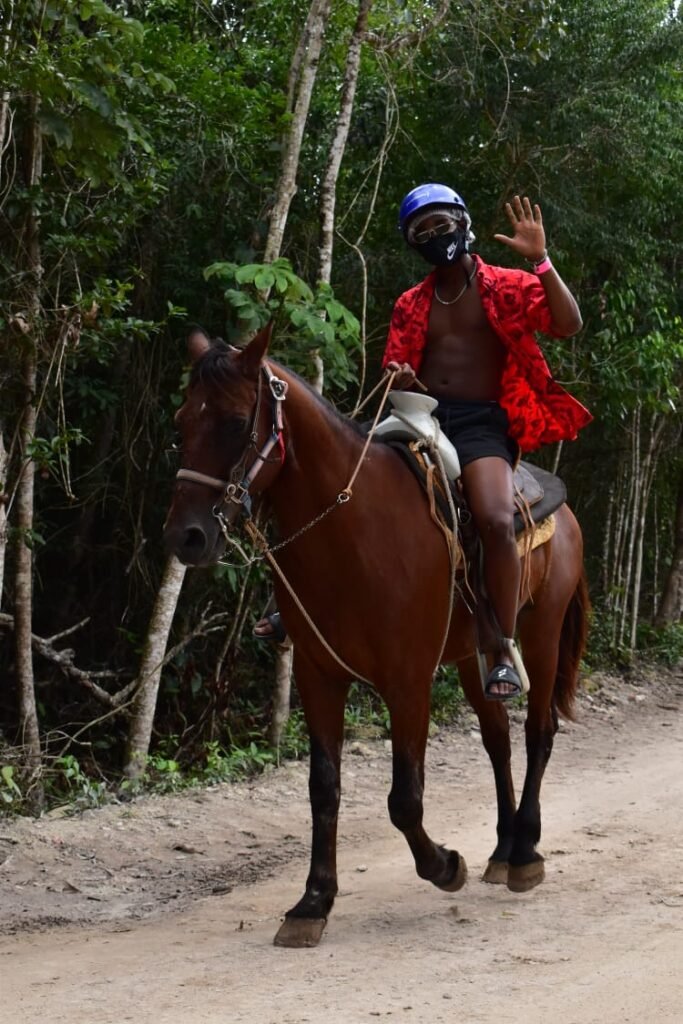
Mexico’s beaches, colonial towns, and eco-parks are filled with horses used for recreation: guided trail rides, carriage tours, and beach gallops. These horses are not farm workers or sport athletes; they are ambassadors of Mexican equestrian culture. Tourists from the U.S., Canada, and Europe ride them daily, often without realizing the conditions they live in.
Here’s the good news: These recreational horses are in a unique position to benefit from direct visitor action. Unlike remote working horses hidden on private ranches, tourist horses are visible, accessible, and economically dependent on customer satisfaction. That creates leverage for change.
How Visitors Can Make a Difference (Just by Showing Up)
You don’t need to be a veterinarian or a millionaire. As a tourist, your presence and your choices send powerful signals. Here’s what you can do:
1. Choose operators who prioritize welfare.
Before booking a beach ride or a carriage tour, look for signs: Are the horses’ hooves trimmed? Do they have access to shade and water? Do they look alert and healthy? If a stable looks dirty or the horses seem lethargic or lame, walk away. Your money is a vote. Spend it on operators who invest in proper care.
2. Ask simple, friendly questions.
When you arrive, ask the guide: “How often do the farriers come? Do the horses get rest days? What do you feed them?” Even a casual question signals that you care. Over time, tour operators learn that tourists notice—and reward—good welfare.
3. Leave a review that mentions horse care.
After your ride, post a Google or TripAdvisor review. If the horses looked healthy and happy, say so. If you saw signs of lameness or poor footing, mention that too. Public feedback is one of the strongest motivators for small businesses. Positive reinforcement works better than shaming, but transparency helps everyone.
4. Support local training for horse handlers.
Some Mexican tourism destinations have started partnering with equine welfare NGOs to offer free hoof care and first-aid workshops. As a visitor, you can ask your hotel or tour agency if they support such programs. Even better, donate a small amount directly to a local horse welfare group when you book your trip. Many will happily add a “horse health contribution” option.
5. Be a responsible rider.
Don’t kick hard, don’t ride two hours straight without a break, and don’t exceed the weight limit. Tour horses often work long days. Your gentleness reduces strain and injury. If you see a horse being overworked (e.g., made to gallop on hard pavement), speak up politely or report it to the local tourism office.
The Ripple Effect of Visitor Awareness
When tourists demand better conditions, a virtuous cycle begins:
- Healthier horses → happier, safer rides → better reviews → more bookings → more income for owners → more money available for vet care, farriers, and rest days.
In places like Cabo San Lucas, Puerto Vallarta, and San Miguel de Allende, this shift is already starting. Small stables that once neglected hoof care are now investing in rubber mats, regular shoeing, and even equine chiropractors—because they learned that tourists notice and pay more for quality.
The bottom line: Mexico’s recreational horses in tourist zones do not have to suffer. They have an invisible army of potential advocates: you. Every time a visitor chooses a well-managed stable, asks a thoughtful question, or leaves a caring review, they add pressure to an industry that has historically lacked oversight.
Final Takeaway for the Whole Series
Mexico’s horses are not doomed like the donkeys. They have too much cultural and economic value for that. But that value is fragile. The difference between a thriving population and a suffering one comes down to education, access, and awareness.
- For working horses in rural areas: mobile vets and practical workshops.
- For sport and breeding horses: better regulation and youth engagement.
- For recreational horses in tourist zones: you.
Your presence as a conscious visitor is not a passive act. It is a form of advocacy. By choosing where to ride, what to ask, and how to review, you help build a Mexico where 6.4 million horses are not just numerous—but healthy, respected, and well cared for.
📅 Last updated: